

Introduction to Egg Weight Grading Machine
With the rapid development of modern poultry farming and egg processing industries, the demand for efficient, accurate, and automated egg grading solutions has increased significantly. Egg Weight Grading Machines play a vital role in the egg production supply chain by sorting eggs according to their weight, ensuring standardized packaging, improved product quality, and higher market value.
In commercial egg production, egg weight is a critical quality indicator that directly affects pricing, consumer preference, and regulatory compliance. Manual egg sorting is time-consuming, labor-intensive, and prone to errors. In contrast, an egg weight grading machine provides high-speed, precise, and consistent grading, making it an essential piece of equipment for poultry farms, egg grading centers, and egg processing plants.
What Is an Egg Weight Grading Machine?
An Egg Weight Grading Machine is an automated device used to classify eggs into different categories based on their weight. The machine uses precise weighing sensors and intelligent control systems to measure each egg individually and direct it to the appropriate output channel.
Eggs are typically graded into categories such as:
Small
Medium
Large
Extra Large
Jumbo
These categories may vary depending on regional market standards and customer requirements.
Egg weight grading machines are widely used in:
Commercial poultry farms
Egg grading and packing centers
Egg processing factories
Poultry cooperatives
Export-oriented egg suppliers
Technical Parameters of Egg Weight Grading Machine
The technical specifications of an egg weight grading machine vary depending on capacity, automation level, and configuration. Below are common parameters:
1. Processing Capacity
Small models: 3,000–5,000 eggs/hour
Medium models: 10,000–30,000 eggs/hour
Large models: 60,000–120,000 eggs/hour
2. Weight Grading Range
Minimum egg weight: 35 g
Maximum egg weight: 85 g
Adjustable grading intervals
3. Grading Accuracy
Accuracy tolerance: ±1 g or better
4. Number of Grading Levels
Standard: 4–7 weight categories
Customizable based on customer requirements
5. Power Supply
Voltage: 220V / 380V
Frequency: 50Hz / 60Hz
Power consumption: 1–5 kW (depending on capacity)
6. Construction Materials
Food-grade plastic components
Stainless steel framework
High-strength alloy parts
7. Control System
PLC control system
Touchscreen human-machine interface (HMI)
Automatic fault detection
Working Principle of Egg Weight Grading Machine
The egg weight grading machine operates through a series of coordinated steps:
Egg Feeding
Eggs are placed on the feeding conveyor manually or automatically from an egg collection system.
Egg Transport
Eggs are transported smoothly to the weighing section using rollers, cups, or belts designed to prevent cracking.
Weight Measurement
Each egg is weighed individually using high-precision electronic load cells.
Data Processing
The control system analyzes the weight data and assigns each egg to a predefined weight category.
Egg Sorting
Eggs are automatically directed to corresponding output lanes or packing stations.
Collection and Packaging
Graded eggs are collected for packaging, labeling, or further processing.
Key Features of Egg Weight Grading Machine
1. High Weight Accuracy
Advanced sensors ensure precise and consistent egg weight measurement.
2. High Processing Speed
Capable of handling thousands of eggs per hour, significantly improving productivity.
3. Gentle Egg Handling
Specially designed egg cups and conveyors minimize breakage and cracks.
4. Flexible Grading Settings
Weight ranges and grading categories can be easily adjusted via the control panel.
5. User-Friendly Operation
Intuitive touchscreen interface simplifies operation and monitoring.
6. Hygienic Design
Food-grade materials and smooth surfaces ensure easy cleaning and compliance with food safety standards.
7. Stable and Durable Structure
Robust construction ensures long service life and stable operation.
Advantages of Egg Weight Grading Machine
1. Improved Product Standardization
Ensures uniform egg size within each package, enhancing market acceptance.
2. Labor Cost Reduction
Automated grading significantly reduces manual sorting labor.
3. Increased Processing Efficiency
High-speed operation enables large-scale egg handling.
4. Higher Economic Returns
Accurate grading allows eggs to be sold at optimal prices based on size.
5. Reduced Egg Damage
Controlled handling reduces breakage and waste.
6. Scalability
Suitable for small farms and large industrial egg processing plants.
Application Scenarios
1. Commercial Poultry Farms
Egg weight grading machines help farms standardize egg output and prepare eggs for direct sale or further processing.
2. Egg Grading and Packing Centers
Centralized facilities use high-capacity machines to process eggs from multiple farms.
3. Egg Processing Plants
Used as part of integrated processing lines including washing, grading, and packing.
4. Poultry Cooperatives
Support uniform quality control for eggs supplied by cooperative members.
5. Export-Oriented Egg Suppliers
Meet strict international standards for egg weight classification.
Installation and Usage Instructions
Installation Steps
Install the machine on a level, stable surface
Connect power supply according to specifications
Adjust grading parameters via control panel
Test machine operation without eggs
Operating Instructions
Power on the machine
Load eggs onto the feeding system
Monitor grading performance via touchscreen
Collect graded eggs from output channels
Safety Precautions
Do not overload the machine
Keep hands away from moving parts
Follow electrical safety guidelines
Maintenance and Cleaning
Daily Maintenance
Clean egg contact surfaces
Check for abnormal noise or vibration
Weekly Maintenance
Inspect sensors and conveyors
Tighten bolts and fasteners
Periodic Maintenance
Calibrate weighing sensors
Replace worn components
Proper maintenance ensures long-term accuracy and reliability.
Common Problems and Solutions
Problem 1: Inaccurate Weight Grading
Cause: Sensor misalignment or contamination
Solution: Clean sensors and recalibrate system
Problem 2: Egg Breakage
Cause: Improper handling speed or damaged cups
Solution: Adjust speed and replace worn parts
Problem 3: Machine Stops Suddenly
Cause: Electrical fault or overload
Solution: Check power supply and safety system
Problem 4: Uneven Egg Distribution
Cause: Conveyor misalignment
Solution: Adjust conveyor and guide rails
Frequently Asked Questions (FAQ)
Q1: What is the main function of an egg weight grading machine?
To automatically classify eggs into different categories based on weight.
Q2: Can grading ranges be customized?
Yes. Weight ranges and number of grades can be adjusted.
Q3: Is the machine suitable for different egg types?
Yes. It can handle chicken eggs and can be customized for duck or quail eggs.
Q4: How accurate is the grading?
Most machines offer ±1 g accuracy or better.
Q5: What is the service life of the machine?
With proper maintenance, 10–15 years or more.
SEO Optimization Strategy
Core Keywords Integrated
Egg Weight Grading Machine
Egg Grading Machine
Poultry Egg Grader
Automatic Egg Grading Equipment
Long-Term SEO Value
High search intent keywords
Structured H1–H3 headings
Buyer-focused informational content
Future Trends in Egg Weight Grading Technology
Integration with egg washing and packing lines
Smart data tracking and production analysis
Higher processing speeds with improved accuracy
Energy-efficient and low-noise designs
Conclusion
The Egg Weight Grading Machine is an essential piece of equipment for modern egg production and processing. By providing accurate, efficient, and automated egg classification, it helps poultry farms and egg processors improve product quality, reduce labor costs, and maximize profitability.
Investing in a high-quality egg weight grading machine is a strategic step toward standardized production, market competitiveness, and sustainable growth in the poultry industry.
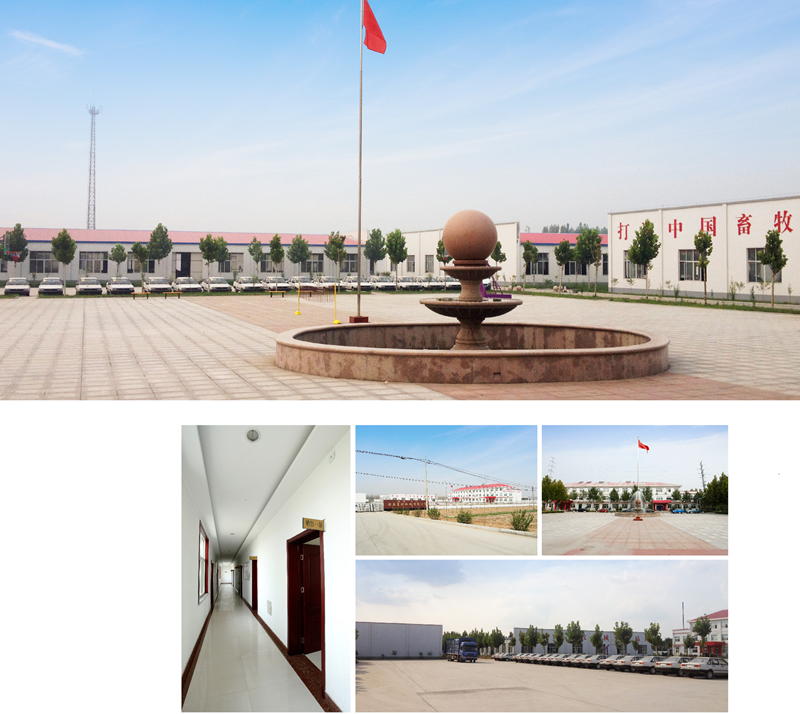
Shandong Huimin Qinle Livestock Machinery Co., Ltd. (formerly Shandong Huimin Qinle Livestock Machinery Factory) is a professional poultry equipment manufacturer with over 20 years of experience. We offer a comprehensive service package, from design (land and chicken coops), production (equipment and prefabricated steel coops), installation, commissioning, customer training, and after-sales service.
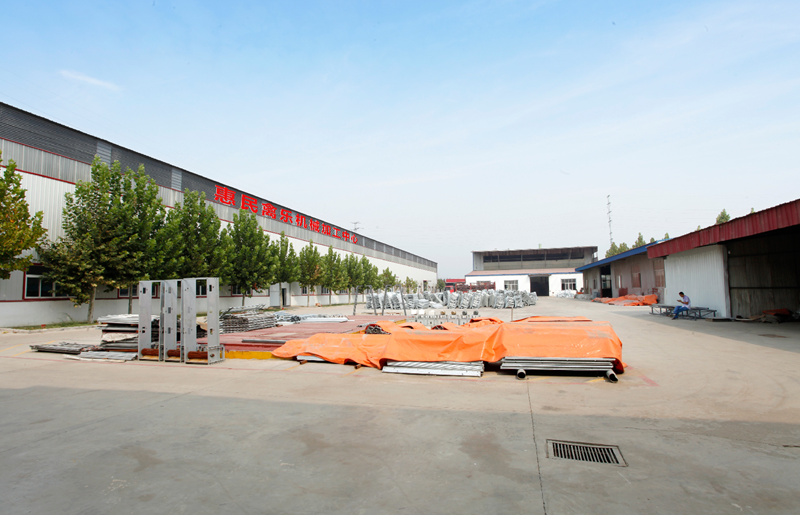
Located in Huimin County, Binzhou City, Shandong Province, China, the company has extensive experience in mechanical processing and manufacturing, as well as livestock machinery production and operation. With fixed assets of RMB 15 million, the company employs 160 people, including 30 R&D staff, and occupies a 40,000-square-meter factory. Equipped with over 110 pieces of advanced precision production equipment, including CNC machining centers and laser cutting machines, the company boasts a production capacity of RMB 50 million.
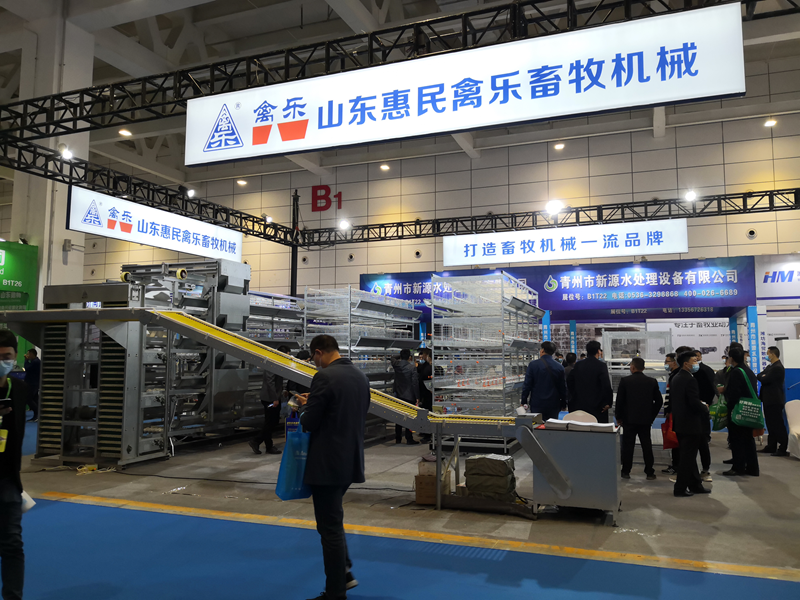

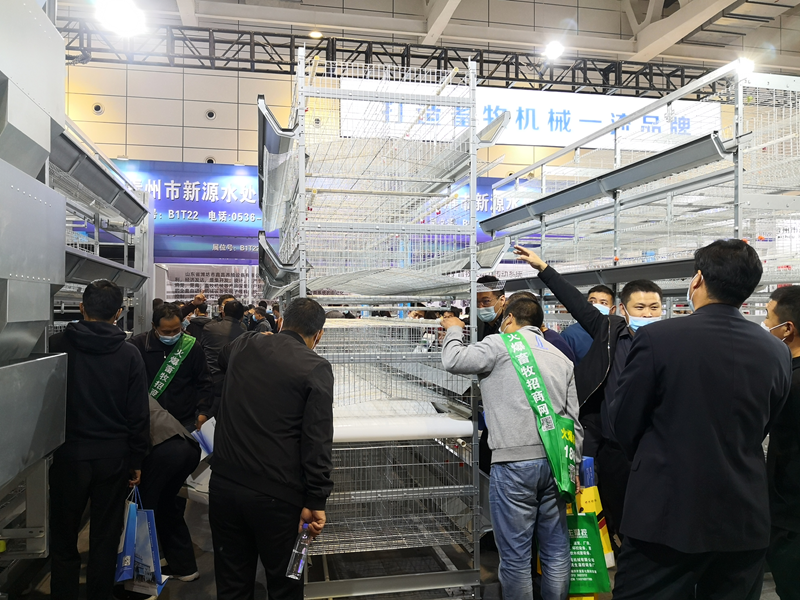
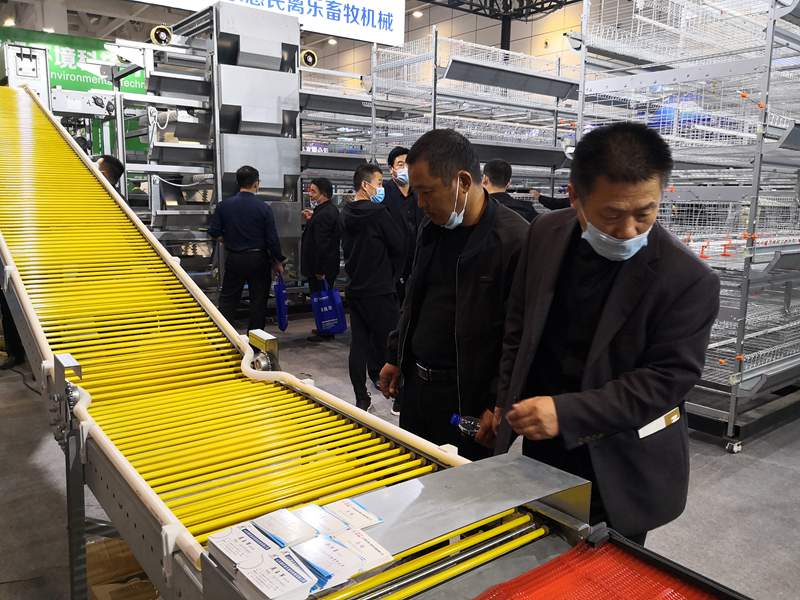
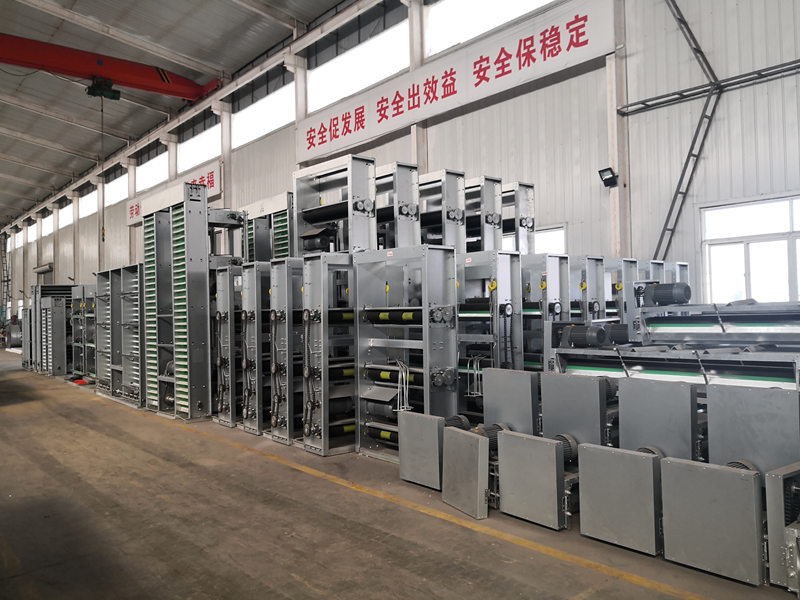
Chicken Farming Equipment Mesh Production Workshop

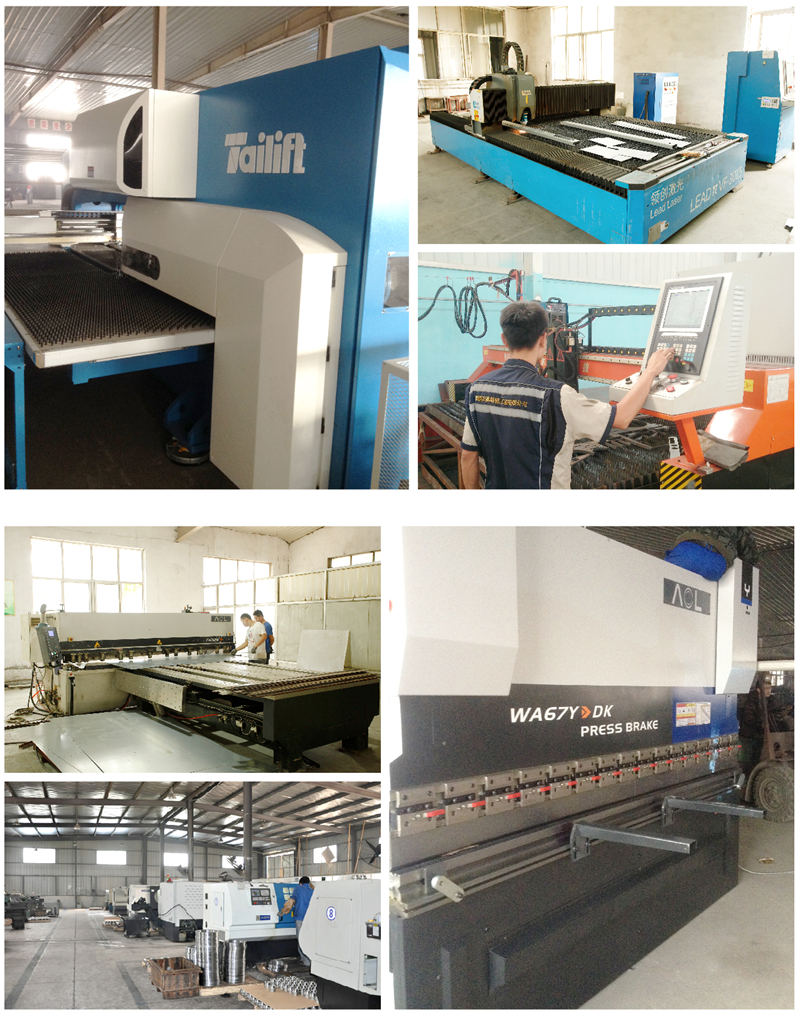
Machining Workshop
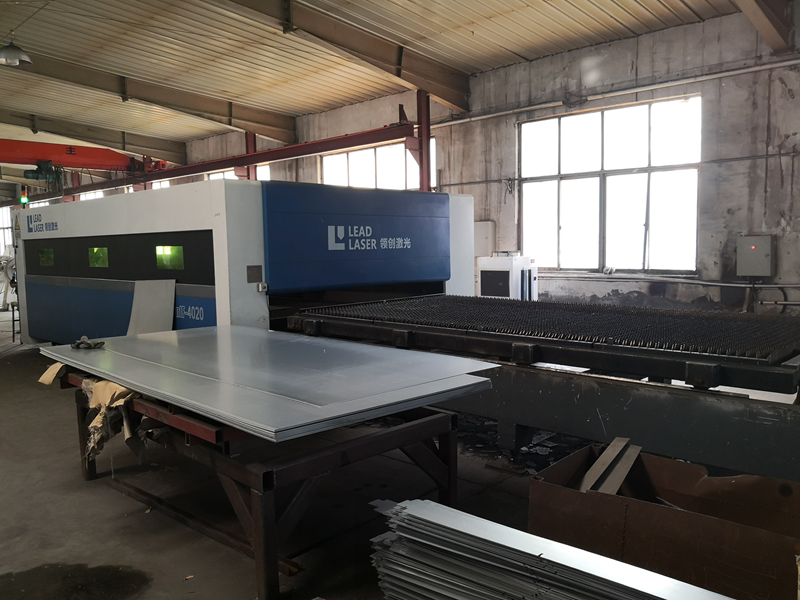
Turret-type CNC Punch Press, Laser Cutting and Other Machining Equipment

Fully Automated Roll Forming Production Line

Hot-dip Galvanizing Production Line

Electroplating Production Line
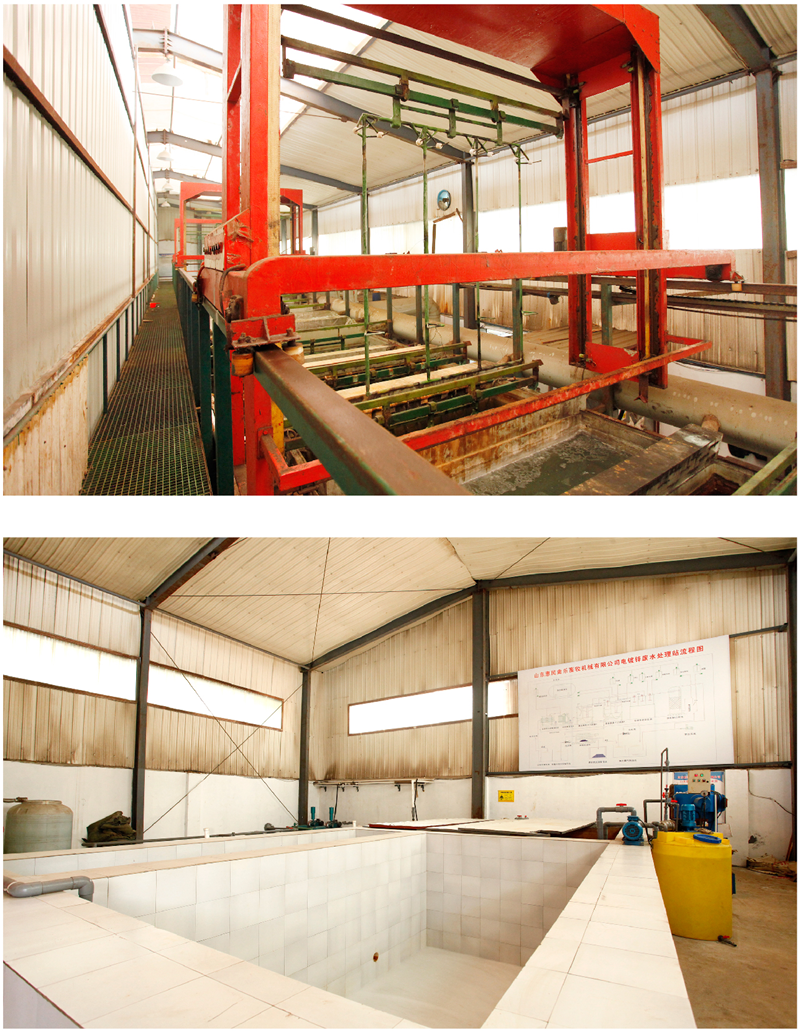
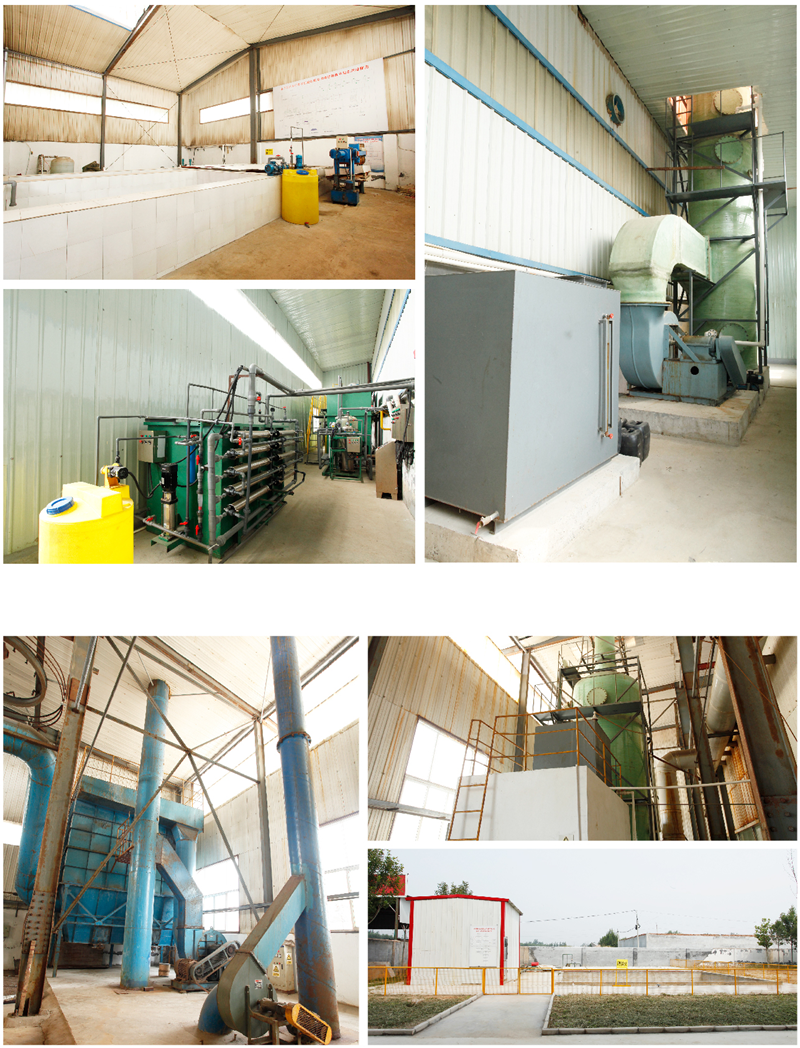
Environmental Protection Equipment
Chicken Farming Equipment Product Series
Egg-laying Hen Farming Equipment
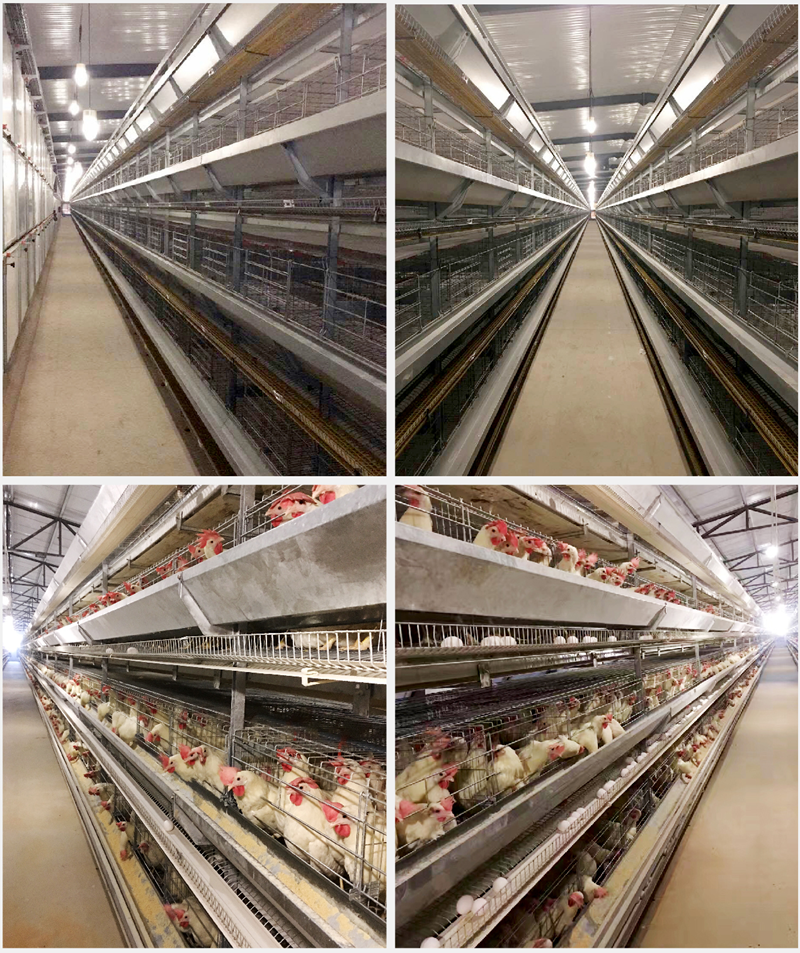
Stacked Brooding Cage Equipment

Stacked Broiler Cage Equipment
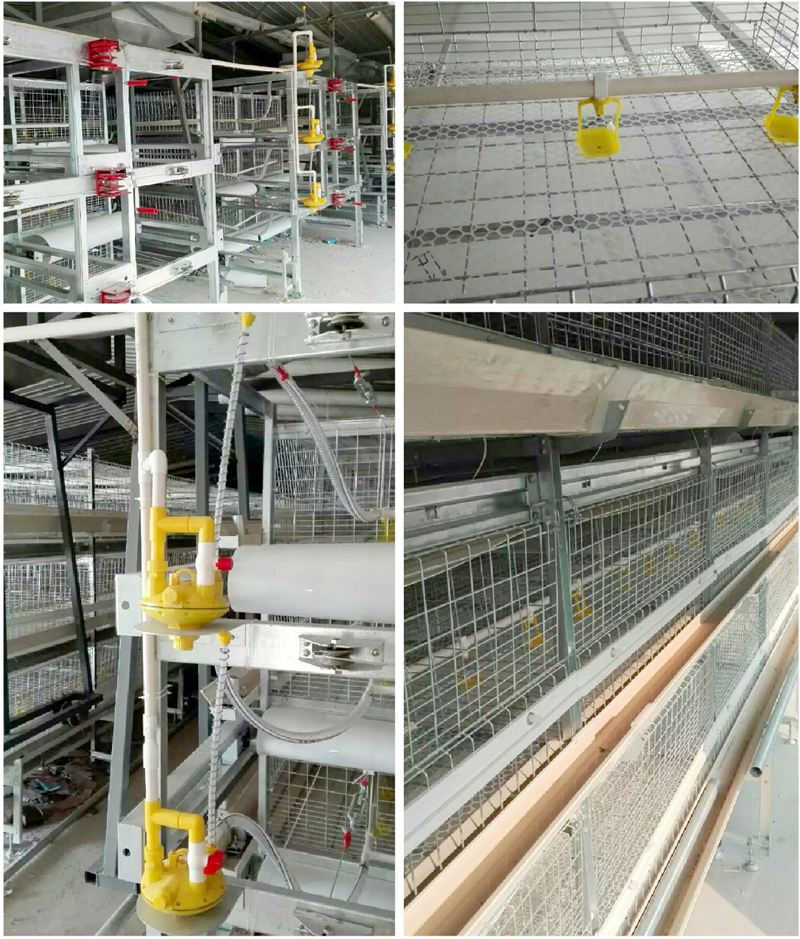
Stepped Layer Hen Cage Rearing Equipment
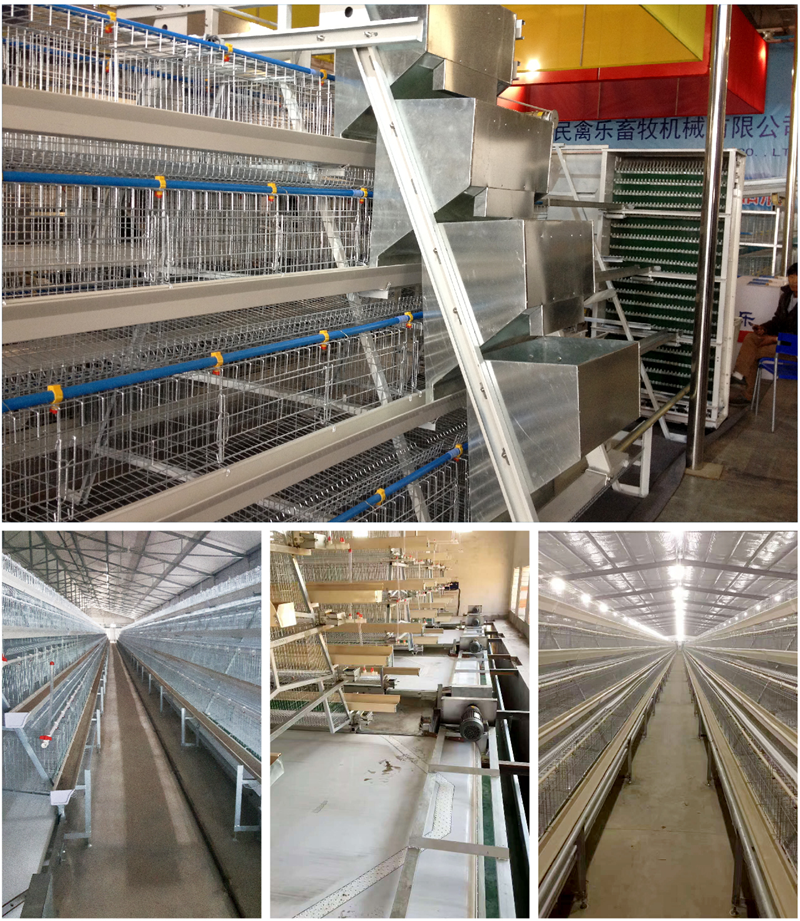
Automatic Egg Collection System
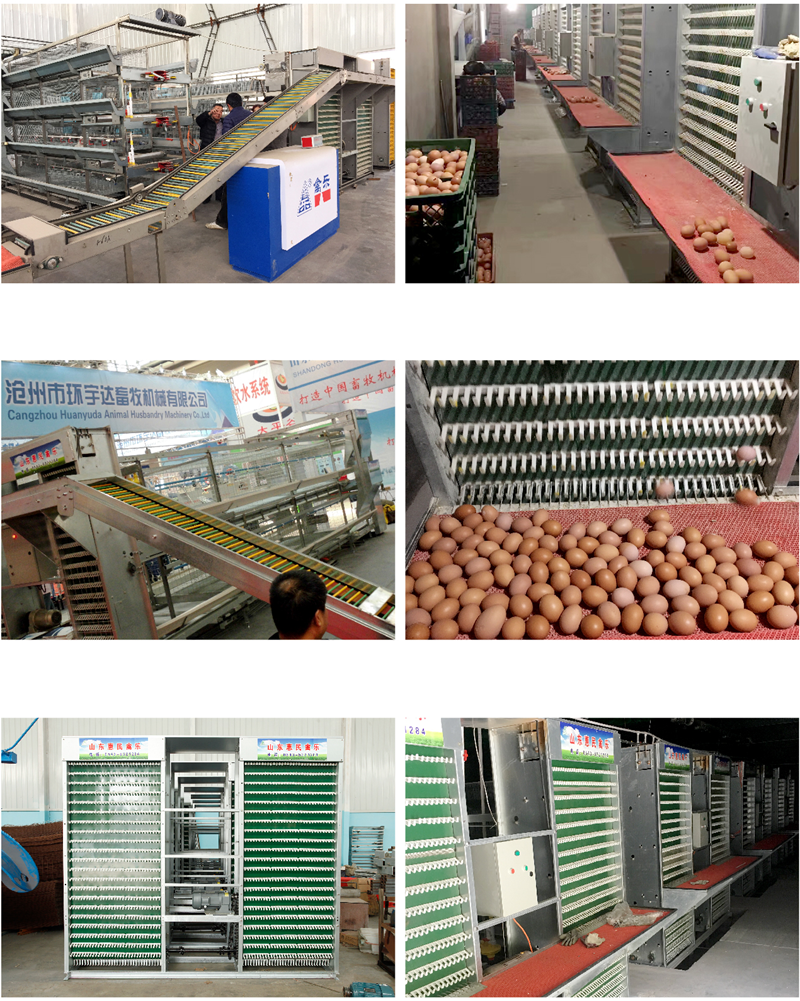
H-type Cage Feeding Machine
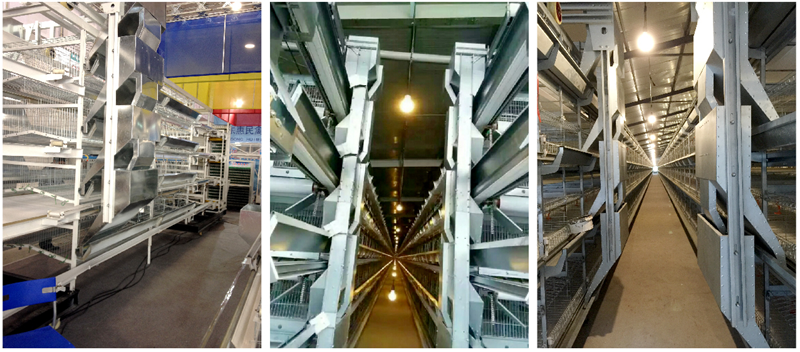
Stepped Cage Straddle Feeder
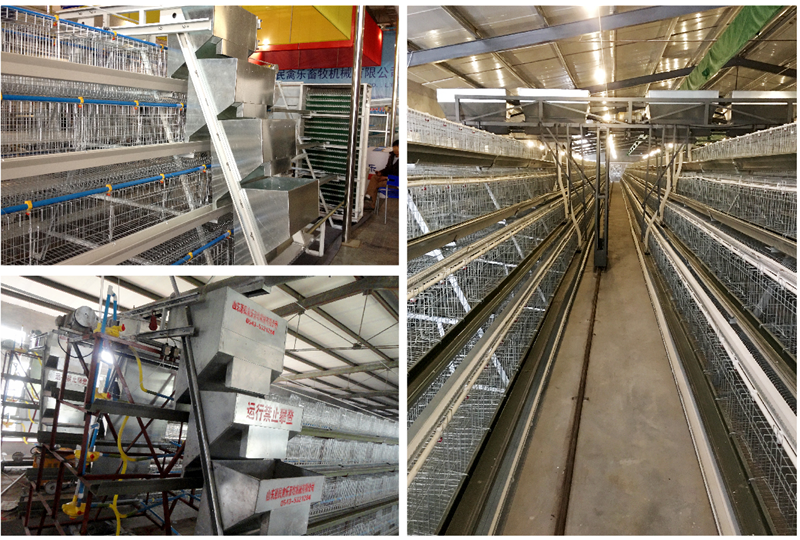
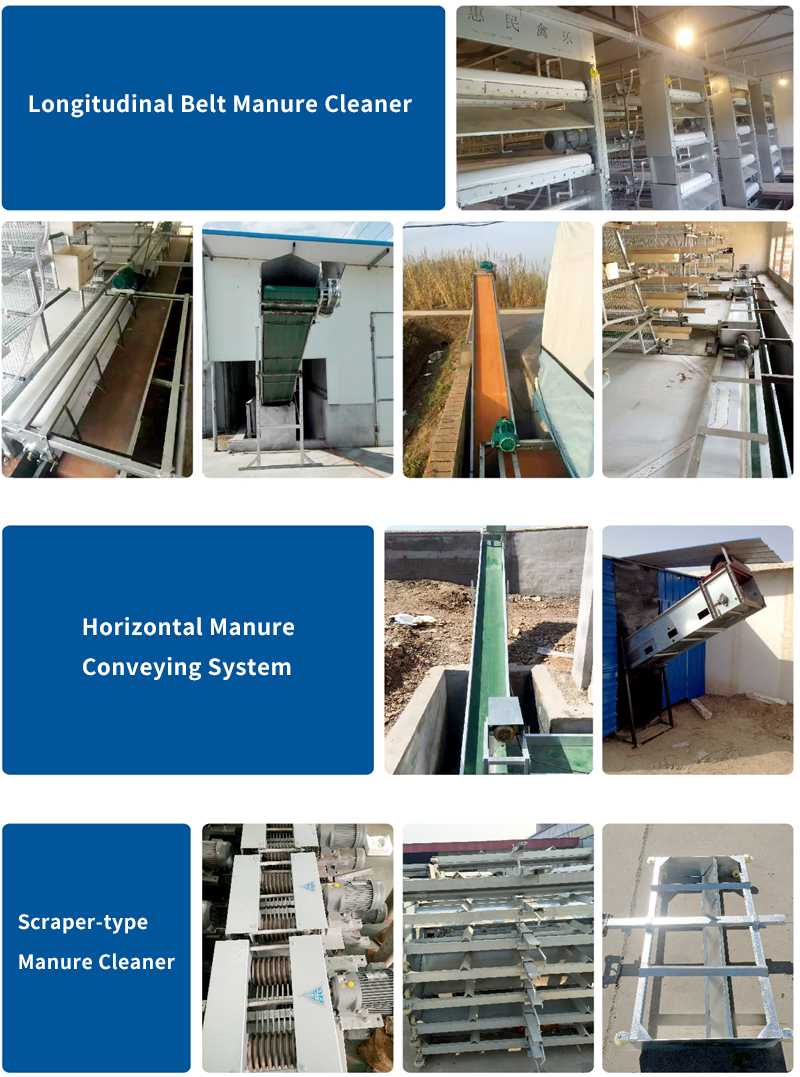
Manure Removal Machine
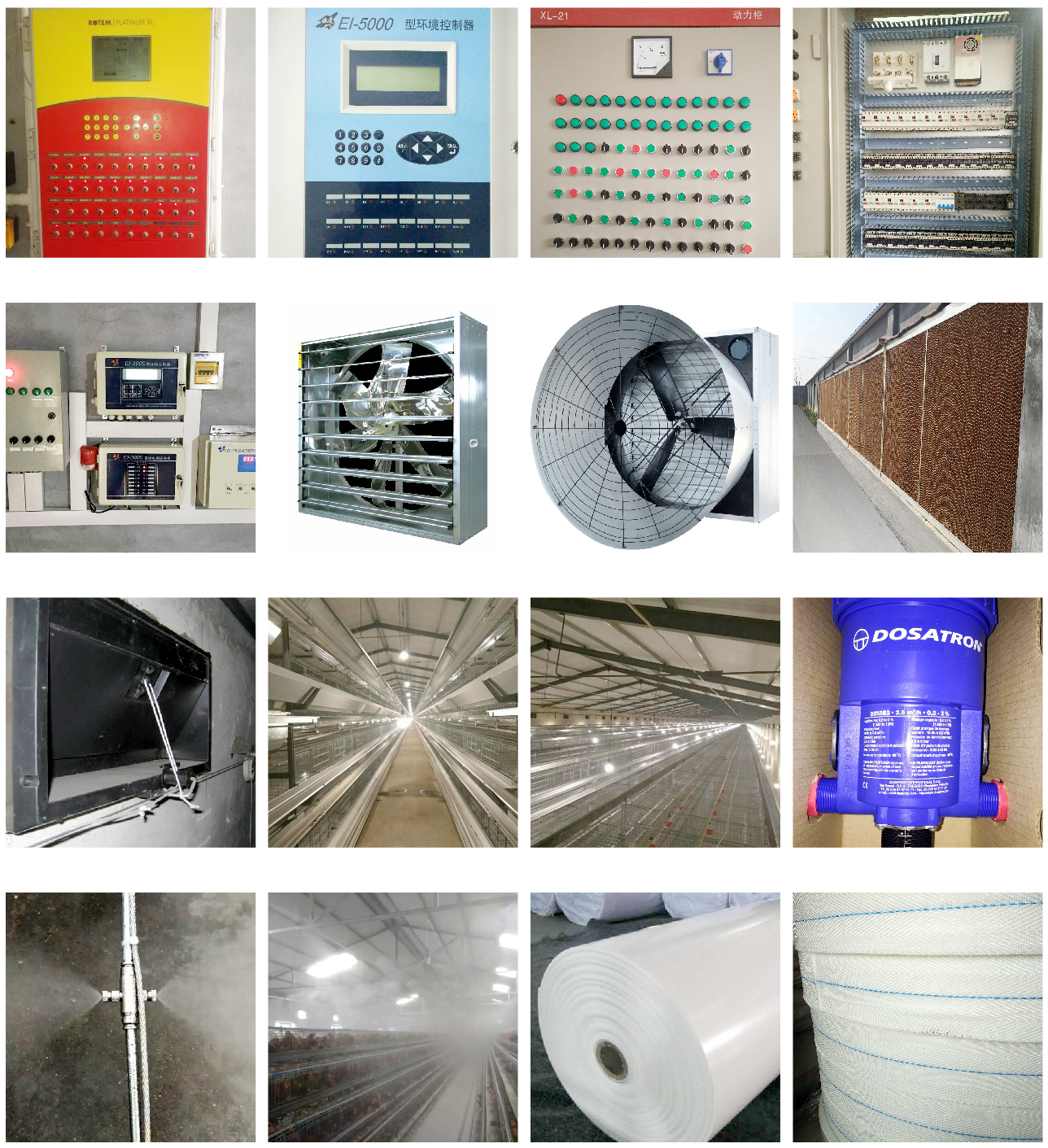
Fans, Heated Curtains, Environmental Control Systems, and Lighting Equipment
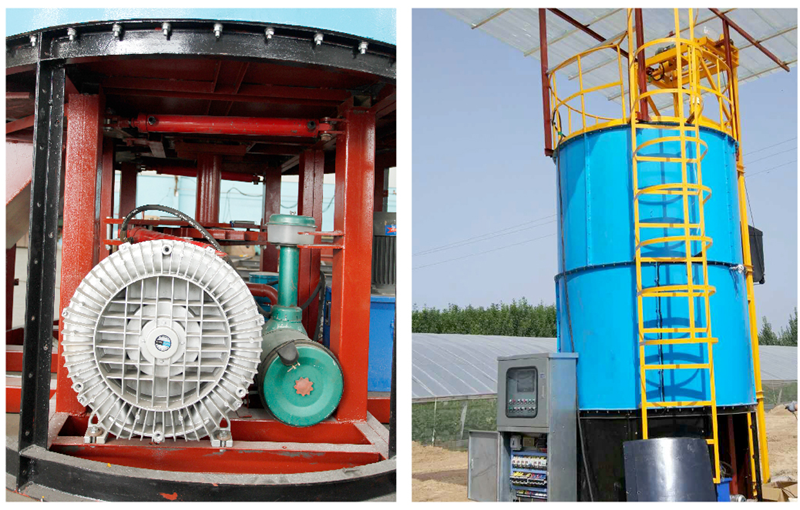
Complete Set of Equipment for Organic Fermentation Treatment of Manure
 RELATED
 RELATED
Бұл веб-сайт біздің веб-сайтта ең жақсы тәжірибе алуыңызды қамтамасыз ету үшін cookie файлдарын пайдаланады.
 English
 Pусский
 Français
 العربية
 Indonesia
 o'zbek
 Кыргызча
 тоҷикӣ
 Türkmenler
 Catalogue



 Whatsapp
 Телефон